
OTT Advertising Strategies Every Marketer Should Know

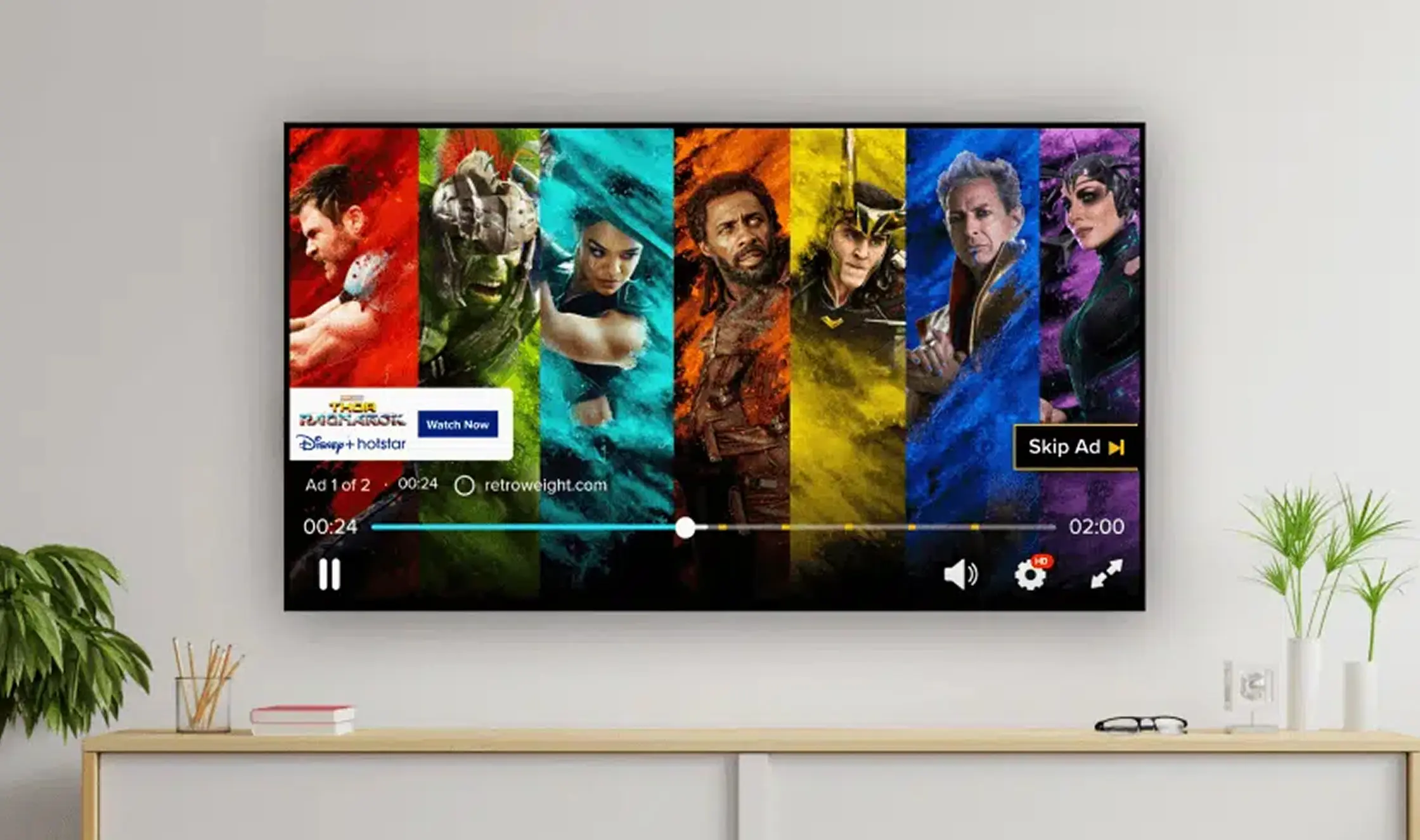
Over-the-top (OTT) advertising is transforming how marketers connect with audiences. With the massive shift to streaming platforms like Netflix, Hulu, and YouTube TV, OTT advertising has become an indispensable tool for brands looking to stay competitive in the modern media landscape. But executing a successful OTT advertising strategy requires more than just jumping on the bandwagon—it demands a clear understanding of the ecosystem, smart targeting, and innovative approaches.
This guide covers essential OTT advertising strategies to help marketers, digital advertising professionals, and mobile game marketers leverage this exciting platform to its fullest potential.
What is OTT Advertising?
OTT advertising refers to ad delivery through streaming platforms that bypass traditional cable or satellite TV services. These ads appear on video-on-demand services accessed via mobile devices and other internet-connected devices.
OTT advertising is gaining prominence for its targeted approach, allowing marketers to reach precise demographics and engage users with tailored messaging. Unlike traditional TV advertising, which reaches broad, often undefined audiences, OTT enables brands to hone in on specific user behaviors, preferences, and viewing habits.
Why is OTT Advertising Important?
- Rapid Growth: The global OTT market is projected to reach $223 billion by 2026, proving its longevity as a vital advertising channel.
- Enhanced Targeting: OTT ads utilize data-driven insights to target consumers beyond their age or region, focusing on their online behaviors and interests.
- Engaged Audiences: OTT users are typically more engaged since they actively seek out content, making ads less likely to be ignored.
Segmenting Your Audience for OTT Campaigns
Effective audience segmentation is the backbone of any successful OTT advertising strategy. By understanding your target audience inside and out, you can craft ads they genuinely respond to.
- Demographic Segmentation: Separate your audience by age, gender, location, and income level to target specific viewer categories.
- Behavioral Segmentation: Leverage user data to identify viewing habits, online behaviors, and purchase history to deliver hyper-relevant ads.
- Interest-Based Targeting: Use interests such as hobbies, activities, or favorite genres to connect with viewers on a deeper level.
- Device-Specific Targeting: Tailor campaigns to users across smart TVs, mobile devices, or laptops, optimizing for the unique characteristics of each.
4 Steps to Crafting a Winning Creative and Content Strategy
The Over-the-Top (OTT) advertising landscape has rapidly evolved as streaming platforms continue to gain significant traction among audiences. With the growing dominance of services like Netflix, Hulu, YouTube TV, and others, advertisers now face an intense challenge: how to stand out in an increasingly crowded space. Creative, visually compelling ads are not just beneficial; they are a necessity for capturing attention and driving engagement. Here’s how marketing professionals can master the art of OTT advertising to deliver impactful results:
1. Hook Your Audience in the First 5 Seconds
In a fast-paced digital world, where viewers have the option to skip, skip, or switch platforms, the first 5 seconds of an ad are crucial. Research indicates that 65% of viewers who are exposed to an ad within the first few seconds are more likely to watch the rest of the content, as long as the ad is engaging and compelling. To grab immediate attention, your ad should start with a strong hook—something that resonates with the viewer’s emotions or curiosity. This could be an unexpected visual, an intriguing question, or a bold statement. The goal is to entice without being intrusive, ensuring viewers are intrigued enough to stay engaged.
2. Tailor Content for the Platform
Each OTT platform comes with its own unique set of characteristics and audience expectations. As a marketer, it is essential to tailor your content based on the platform’s tone, audience, and content format.
- YouTube TV: With its more casual and user-driven experience, YouTube favors shorter, snappy ads (15-30 seconds). Viewers are often looking for quick entertainment or information, and ads should feel natural within this context.
- Hulu: On the other hand, platforms like Hulu may offer more flexibility for longer ads, as viewers expect to be immersed in a variety of content types. A 60-second ad could work effectively here, giving you time to build a compelling story and brand message, but still without losing attention.
By understanding the user experience and engagement patterns for each platform, you can create a seamless ad experience that enhances, rather than disrupts, the viewing journey.
3. Focus on Storytelling
One of the most effective ways to engage viewers on OTT platforms is through storytelling. Ads that tell a story—whether humorous, dramatic, or inspiring—are far more likely to create an emotional connection with viewers. Studies show that ads with emotional content perform twice as well as those without, as they drive higher levels of engagement and recall.
Narrative-driven ads allow you to draw the viewer in, maintain interest, and leave a lasting impression. A compelling storyline builds curiosity, often encouraging viewers to watch through to the end to see how the story unfolds. Whether it's a heartwarming story of family bonding or a humorous take on everyday life, the key is to make your audience feel something.
4. Make the Call-to-Action (CTA) Clear and Compelling
Every OTT ad needs a clear call-to-action (CTA). Whether it’s “Download Now,” “Learn More,” or “Shop Today,” your CTA should provide a specific next step that guides the viewer toward conversion. In the OTT space, where viewers are typically in a more passive consumption mode, your CTA needs to be strong enough to break the inertia and move them to action.
To improve your CTA effectiveness:
- Be clear and direct: A simple and precise CTA is key. Rather than using generic phrases like "Click Here," opt for action-oriented phrases like “Sign Up for Free” or “Claim Your Discount.”
- Timing matters: For shorter ad formats (such as pre-roll ads), present the CTA near the end of the ad to make sure it aligns with the audience's emotional response. For longer formats (mid-roll or post-roll), give the audience time to reflect before prompting action.
5 Ways to Use Data to Drive Decisions
Data is a game-changer in OTT advertising. With access to real-time performance insights, you can refine your campaigns quickly to achieve better outcomes. Below we'll break down the different ways you can leverage data when it comes to OTT ads.
1. A/B Testing: Refine Creative and Messaging
A/B testing is one of the most effective methods for optimizing your OTT ad campaigns. By testing different ad creatives, messaging, and targeting parameters, you can identify what resonates most with your audience and fine-tune your approach.
For example:
- Creative Variations: You can test different versions of your ad, such as variations in the visuals, tone, or call-to-action to determine which combination drives the best engagement and conversions.
- Message Testing: Testing different value propositions—whether focused on cost savings, product features, or emotional appeal—can help you understand which messaging triggers the strongest response from your target audience.
- Targeting Adjustments: By testing audience segments (e.g., age, gender, location, or behavior), you can pinpoint the most responsive groups and optimize ad delivery to those viewers.
2. Audience Insights: Measure Engagement and Effectiveness
Understanding your audience is critical for improving OTT ad performance. OTT platforms offer a wide range of audience insights that go beyond basic demographic data. By leveraging metrics such as frequency, impressions, and click-through rates (CTR), you can assess the level of audience engagement and determine whether your ad is achieving its intended goals.
- Frequency: This metric tracks how often a viewer sees your ad. Too high of a frequency can lead to ad fatigue, where your audience becomes desensitized to the message, causing diminishing returns. Conversely, too low of a frequency might mean that your ad isn't being shown enough to make an impact. Finding the right balance is key to maximizing engagement.
- Impressions: This refers to how many times your ad has been viewed. Tracking impressions helps you understand whether your ad is getting adequate exposure across your targeted audience segments.
- Click-through Rate (CTR): CTR measures how many viewers interact with your ad by clicking on it, typically after being exposed to a call-to-action. A higher CTR is indicative of more effective messaging or creative that sparks interest.
By analyzing these metrics, marketers can gauge how well their ad is resonating with the audience and make timely adjustments to maximize the likelihood of achieving their KPIs.
3. Campaign Adjustments: Optimize for Maximum ROI
One of the biggest advantages of OTT advertising is the ability to adjust campaigns mid-flight based on performance data. Unlike traditional TV ads, where changes require long lead times and significant investment, OTT platforms offer real-time data that lets you pivot and optimize while the campaign is live.
For instance:
- If you notice that one particular audience segment is outperforming others in terms of conversions, you can allocate more budget to that segment in real-time, increasing the efficiency of your spend.
- If your ad's CTR is lower than expected, you can adjust the creative or re-target the audience to enhance its effectiveness.
- If a specific geographic location or time of day is driving higher engagement, you can adjust your ad's scheduling to ensure maximum visibility during those high-conversion windows.
This flexibility allows you to optimize budget allocation and maximize ROI, ensuring that you’re not wasting spend on underperforming aspects of the campaign.
4. Leveraging Cross-Platform Data
Many OTT platforms also offer cross-platform tracking capabilities, allowing you to measure how your ads perform across multiple channels (e.g., mobile, connected TV, desktop). This type of holistic measurement gives you a more comprehensive understanding of how your audience is interacting with your content across various devices.
For example, if you’re running an ad campaign across YouTube TV, Hulu, and Roku, data insights from each platform can be used together to evaluate overall performance and adjust strategies accordingly. Cross-platform optimization ensures that your creative and messaging are consistent and optimized across the full spectrum of your audience’s touchpoints, while also giving you insights into the most effective channels for reaching your target demographic.
5. Attribution Modeling: Understanding the Path to Conversion
Attribution modeling helps you understand which touchpoints in the consumer journey are driving conversions. With OTT ads, viewers often interact with multiple channels before making a purchase decision. By leveraging advanced attribution models, you can evaluate the entire consumer journey and identify which platforms or interactions (e.g., ad view, website visit, email click) have the most significant influence on final conversions. The ability to track and measure attribution across different stages of the sales funnel can help you reallocate spend to the most effective stages and channels.
Exploring OTT Ad Formats and Platforms
OTT advertising encompasses a variety of ad formats. Choosing the right one depends on your brand goals and the platform you’re using.
- Pre-Roll Ads: These ads play before the main content and are ideal for targeting engaged viewers.
- Mid-Roll Ads: Placed during video content, mid-rolls are perfect for retaining audience attention.
- Interactive Ads: Create dynamic, clickable ads to engage your audience and drive direct action.
- Display or Banner Overlays: These non-intrusive ads are shown on streaming interfaces, promoting brand awareness without disrupting content.
Popular OTT advertising platforms include Hulu, Roku, YouTube TV, and Peacock. Each has unique strengths depending on your target audience and objectives.
Measuring OTT Advertising Success
To evaluate the effectiveness of your OTT advertising campaign, it's crucial to track the right Key Performance Indicators (KPIs). These metrics not only help you measure the success of your ads but also inform how to optimize and adjust future campaigns for even better results. Below is an expanded look at the key KPIs that marketing professionals should track to gauge success and drive performance in OTT advertising:
- Impression Share: Impression share is an essential metric that evaluates how frequently your ad is viewed compared to others within the same advertising slot or across a specific target audience. If your impression share is low, it may indicate that your ad is being outbid or overshadowed by other content, and you may need to adjust your targeting, creative, or bidding strategy to increase your visibility.
- Completion Rate: Completion rate tracks how many viewers watch your ad all the way through without skipping or abandoning it. This metric is a strong indicator of audience engagement and the quality of your ad content. A high completion rate means your ad is compelling and relevant, prompting viewers to stick with it from start to finish. A low completion rate may signal that your ad is too long, not engaging enough, or not well-suited to the platform’s audience.
- Engagement Metrics: Engagement metrics, such as click-through rates (CTR), conversions, and interactive actions (e.g., likes, shares, comments), offer valuable insight into how users are responding to your ad. A high engagement rate signals that your ad resonates with the audience and prompts them to take action, whether it’s through immediate responses or longer-term engagement with your brand.
- Return on Ad Spend (ROAS): Return on Ad Spend (ROAS) tracks the revenue generated relative to how much was spent on the campaign. This metric provides a clear picture of your campaign’s profitability, helping you assess whether your ad spend is yielding a positive return. A higher ROAS indicates that your ad campaign is delivering more revenue than what was invested, while a low ROAS suggests inefficiencies in your ad strategy or targeting.
Invest in cross-channel attribution tools to measure how OTT advertising works alongside other media, giving a full picture of your campaign’s performance.
Stay Ahead with Smart OTT Strategies
Now is the perfect time to integrate OTT advertising into your marketing strategy. With its unparalleled ability to target and engage audiences, brands can achieve better ROI and relevance in an increasingly digital world.
Want to step up your game? Leverage these strategies to craft compelling OTT campaigns that resonate with your audience, meet business goals, and keep your brand at the forefront of innovation.


