How to Pick a Mobile DSP: 5 Considerations for Gaming Apps

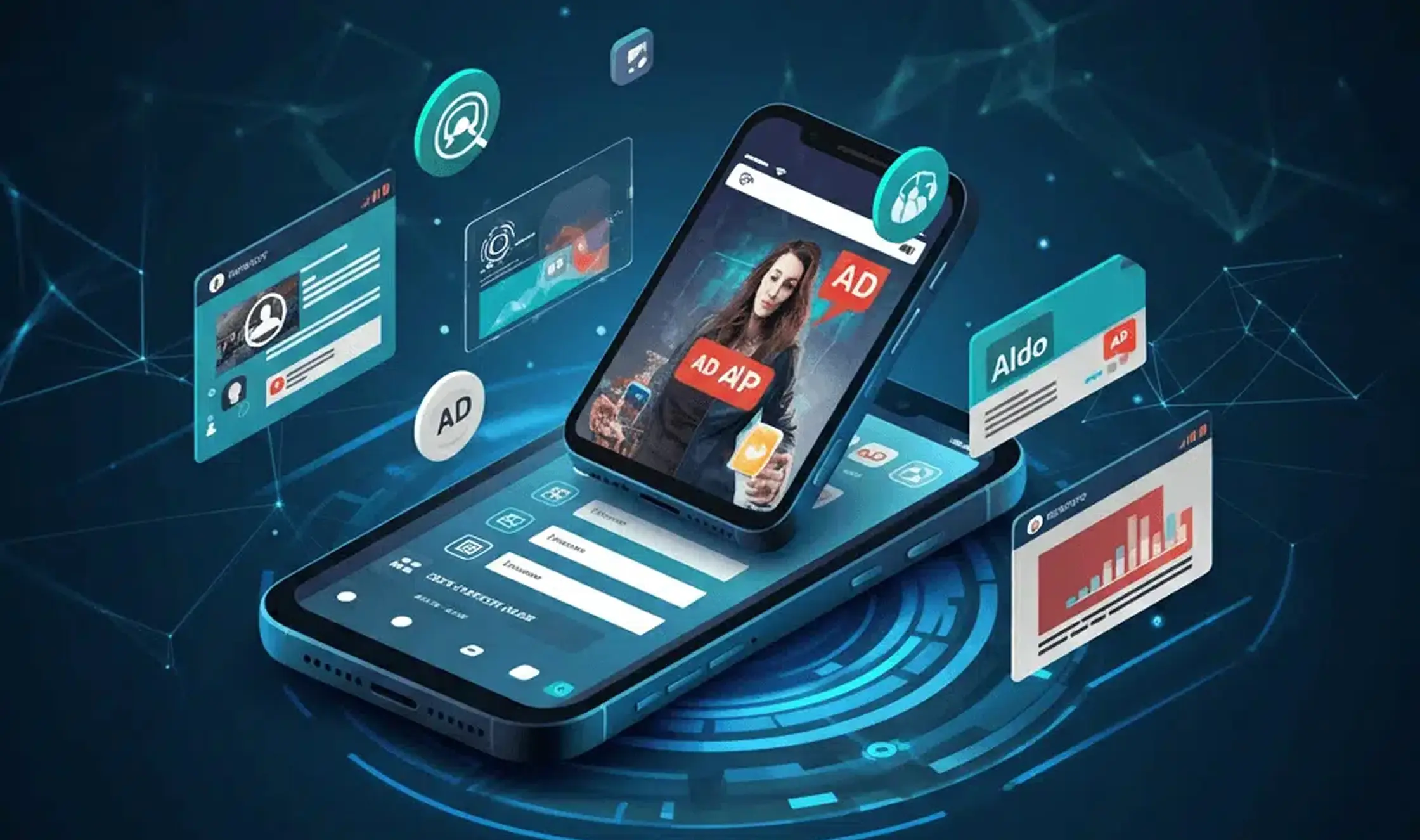
Mobile game developers and app marketers know that the right advertising strategy can make or break an app’s success. But behind every successful strategy lies a crucial tool—your Mobile DSP (Demand-Side Platform). Whether you're aiming to reach millions of gamers worldwide or boost ad engagement, choosing the best mobile DSP for your app is critical. But how do you pick the right one?
This guide breaks down five key considerations to help you select the perfect DSP for your mobile gaming app, maximizing results and ensuring you stay ahead of the competition.
What is a Mobile DSP?
Before we dive into the details, let's clarify what a Mobile DSP actually is.
A mobile DSP is a platform that allows advertisers, like game developers and app marketers, to buy ad inventory programmatically across various mobile platforms. Think of it as the bridge between you and the digital ad space. It uses algorithms to automate the purchasing process, ensuring your ads are displayed to the right audience at the right time and place.
Essentially, a mobile DSP consolidates a wide range of ad inventory from different publishers, making it easier for businesses to run cost-effective and targeted ad campaigns.
The Importance of Choosing the Right Mobile DSP
Choosing the right DSP is more than just a box to check in your marketing plan. The right platform can significantly impact everything from user acquisition to app revenue and player retention.
For instance, a good DSP not only ensures that your ads reach the most relevant audience but also provides insights to optimize campaigns for better performance. On the flip side, the wrong DSP could drain your budget on ineffective campaigns, underserve your audience, and ultimately hurt your bottom line.
The stakes are high—but that’s why selecting the best mobile DSP is so essential, especially in the highly competitive gaming app market.
1. Target Audience and Reach
Your target audience is at the heart of every campaign. Different mobile DSPs cater to varying user demographics, regions, and platforms.
To select the right DSP, ask these questions:
- Does the DSP have access to users who match my app's target profile in terms of age, interests, and platform (iOS or Android)?
- Can the DSP help expand my reach in specific regions or markets, such as North America, Europe, or emerging markets like Southeast Asia?
For example, if your game appeals to Gen Z mobile gamers, it’s vital to find a DSP with strong integrations on platforms where Gen Z spends most of their time (e.g., apps with high social engagement or gaming networks).
A DSP with broad audience reach but minimal relevance to your app’s user profile is not an investment worth making.
2. Ad Formats and Creative Capabilities
What Sets Your Ads Apart?
Gaming apps often rely on highly engaging formats to grab user attention. This is where a DSP’s ability to support diverse ad formats becomes crucial. Here's what to look for:
- Playable Ads: Interactive ads where users can try the game before clicking.
- Video Ads: High-quality video formats, including portrait and landscape.
- Rewarded Ads: Ads offering users in-game incentives for engagement.
Equally important is the DSP’s support for creative capabilities. Can it handle dynamic ad content or help with A/B testing different creatives? A platform that provides robust creative tools can be a game-changer for mobile game ads.
Remember, the more varied and flexible the ad formats, the better your chances of captivating your audience.
3. Data and Analytics
Data is the backbone of any successful ad campaign. A reputable DSP should empower you with detailed insights to evaluate and refine your campaigns.
Here are the key analytics features you should look for:
- Real-time Reporting: Allowing you to monitor campaign performance as it happens.
- Actionable Insights: Metrics on click-through rates (CTR), conversions, and user engagement that inform your strategies.
- Predictive Analytics: Some advanced DSPs offer AI-powered predictions, helping you optimize future campaigns based on past performance.
For example, if one of your ads is underperforming, an effective DSP should pinpoint the issue—whether it’s the audience segment, platform, or visual creative—helping you make data-driven decisions.
4. User Experience
The mobile gaming audience is sensitive to ad experience, and the wrong choice of DSP could harm your app's user retention. Interruptive, poorly placed, or irrelevant ads can erode trust and frustrate your players.
Here’s what to evaluate:
- Does the DSP ensure seamless ad integration without disrupting gameplay?
- Does it support less invasive formats like rewarded ads, which enhance rather than detract from gameplay?
- Does it prevent low-quality, irrelevant, or spammy ads from appearing?
A DSP that prioritizes user experience will help you maintain your app’s reputation while driving ad revenue.
5. Cost and ROI
Finally, it all comes back to the numbers. Different DSPs have varying cost structures, and it’s important to find one that aligns with your budget while delivering a positive return on investment (ROI).
When comparing DSP costs:
- Check Pricing Models: Understand whether the DSP offers CPM (cost per thousand impressions), CPC (cost per click), or CPA (cost per acquisition) pricing.
- Evaluate Efficiency: Does the DSP maximize output from ad spend while keeping costs reasonable?
- Assess ROI: The best DSPs should have a proven track record of boosting user acquisition and monetization for businesses similar to yours.
While it may be tempting to pick the cheapest option, remember that quality matters. A slightly pricier DSP with better performance can often save you more in the long run.
Make the Right Choice for Your Gaming App
Now that you understand the key considerations, it's time to evaluate what makes the most sense for your app and budget. Choosing a mobile DSP is more than just a technical decision—it’s a strategic one. Think of it as selecting a long-term partner for your app’s growth.
By focusing on audience targeting, creative capabilities, analytics, user experience, and cost, you’ll find a solution that boosts both performance and revenue.
If you’re already using a DSP, take this as an opportunity to reassess its effectiveness based on what you’ve learned. And if you’re just getting started, choose wisely with these considerations in mind.
Want to get more guidance on picking a DSP that’s perfect for your app? Reach out to us for expert consulting and resources tailored just for mobile gaming professionals.